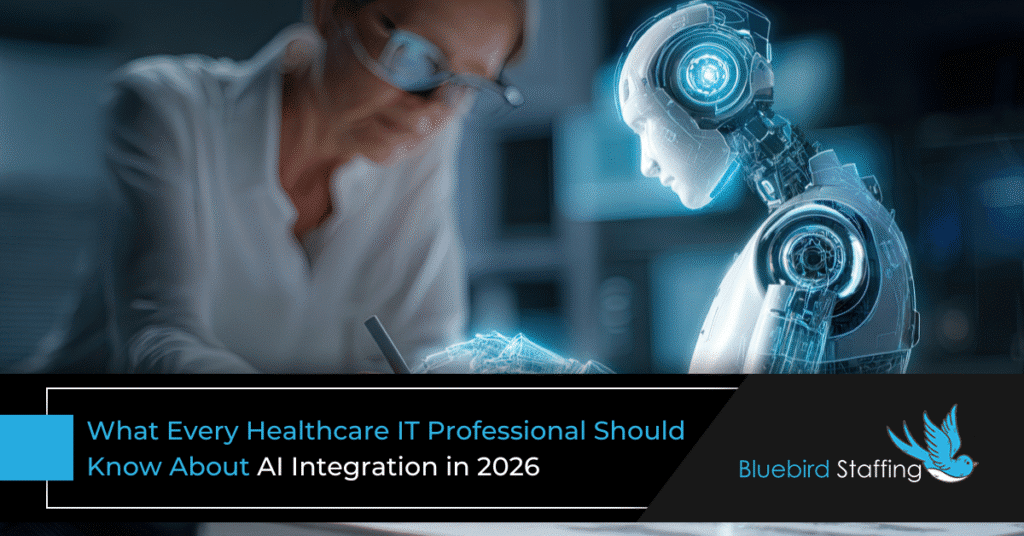
Artificial intelligence is no longer a distant concept in healthcare. It is becoming a daily part of how clinicians make decisions, how systems manage data, and how patients experience care. For healthcare IT professionals, 2026 represents a turning point. AI integration is changing not just what systems do, but how teams work.
The question is no longer if AI will reshape healthcare IT, but how prepared you are to lead that change.
AI Is Redefining Clinical Decision Support
AI-driven tools are moving from pilot programs to standard clinical operations. Hospitals are using predictive analytics to anticipate patient deterioration, automate documentation, and improve diagnostic accuracy. These systems depend on high-quality data and seamless interoperability, areas that fall directly under the responsibility of healthcare IT professionals.
HIT teams are now expected to ensure that data pipelines feeding AI models are accurate, complete, and ethically managed. This requires new levels of collaboration with clinicians, data scientists, and compliance officers. Understanding both the technology and the clinical context is becoming essential.
Data Governance Is Becoming Mission Critical
AI cannot function without data integrity. As algorithms take on more responsibility for patient care decisions, the stakes for data governance have never been higher. Healthcare IT professionals must balance innovation with compliance, ensuring that AI tools follow HIPAA regulations, maintain transparency, and prevent bias in patient outcomes.
In 2026, HIT leaders will need to be proficient in developing and managing data governance frameworks that support AI use. This includes defining who owns the data, how it is secured, and how decisions made by AI systems are validated and audited.
Upskilling for the Future of AI in Healthcare
The professionals who succeed in this new environment will be those who combine technical expertise with strategic understanding. Employers are already seeking IT professionals who hold advanced certifications related to analytics, informatics, and AI systems.
If you want to stay ahead, consider pursuing:
- Certified Health Data Analyst (CHDA) through AHIMA for advanced analytics and data interpretation.
- Certified Associate in Healthcare Information and Management Systems (CAHIMS) for broader health IT knowledge.
- AI in Healthcare courses and certifications from organizations such as Stanford, MIT, or Coursera to understand AI applications in patient care and operations.
Upskilling is no longer optional. As technology evolves, healthcare IT professionals must evolve with it.
How Bluebird Staffing Supports the Next Generation of HIT Talent
At Bluebird Staffing, we understand that the future of healthcare depends on technology experts who can bridge innovation and integrity. Our team works with leading healthcare organizations that are implementing AI-driven systems and need professionals who can manage the complexity behind them.
We connect healthcare IT specialists with opportunities that expand their experience in analytics, system integration, and AI applications. Whether you are an experienced data professional or an IT analyst ready to grow, we can help you find roles that align with the direction the industry is heading.
The Future of AI Belongs to Skilled Professionals
AI integration in healthcare is not about replacing people. It is about empowering professionals who understand how to use technology responsibly and effectively. The best opportunities in 2026 will go to those who stay curious, keep learning, and take the lead in guiding healthcare into its next phase.
Bluebird Staffing can help you position yourself for that future, with the right roles, resources, and industry insight to help you stay ahead.